

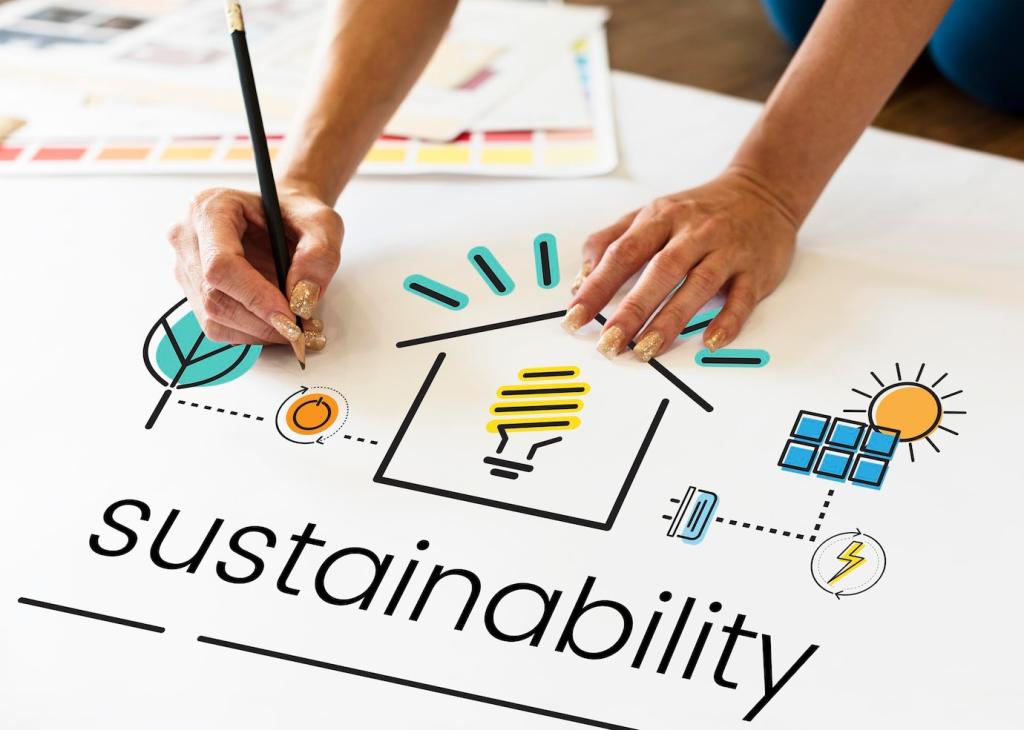

Criteria for Sustainable Development in Real Estate

Chosen theme: Criteria for Sustainable Development in Real Estate. Welcome! Today we unpack how clear, measurable criteria can turn buildings into resilient, people-first places that tread lightly on the planet. Subscribe to stay inspired and help shape the future of sustainable property.

What Sustainable Development Means for Property

Sustainable development in real estate brings the triple bottom line alive: environmental performance, social value, and durable financial returns. Criteria make that balance explicit so teams align decisions, budgets, and behaviors with long-term, place-based outcomes.

What Sustainable Development Means for Property

Vague ambitions become real when turned into criteria like energy intensity targets, material toxicity thresholds, indoor air benchmarks, and community engagement commitments. Clear thresholds, timelines, and responsibilities let everyone know what “good” truly looks like.

Environmental Criteria That Move the Needle

Set an ambitious energy use intensity target, prioritize passive design, and electrify systems to eliminate on-site combustion. Pair with renewable procurement, grid-aware controls, and embodied carbon caps to address both operational and upfront emissions across the project lifecycle.

Environmental Criteria That Move the Needle

Commit to aggressive indoor water efficiency, rainwater harvesting, and drought-tolerant landscaping. Protect and enhance biodiversity with native planting, pollinator corridors, and habitat features. Track watershed impacts and integrate nature-based solutions that cool sites and reduce flood risk.
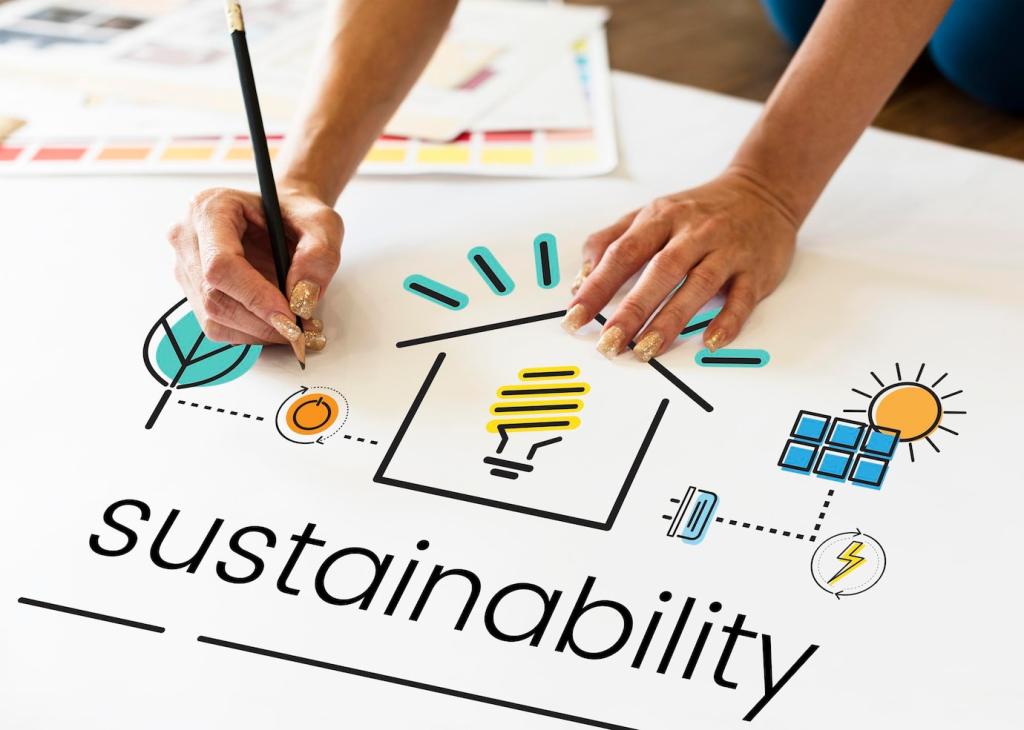

Social Value Criteria Inside and Around Buildings

Health, Comfort, and Wellbeing

Define indoor air quality limits, daylight autonomy targets, acoustic thresholds, and thermal comfort ranges validated by occupant feedback. Include active design strategies, low-VOC finishes, biophilic touches, and operable windows to support both physiological health and daily delight.

Governance, Economics, and Accountability

Publish performance under frameworks like GRESB, TCFD, and ISSB. Require third-party verification for energy, carbon, and health metrics. Establish annual targets, interim milestones, and board-level oversight so progress is visible, auditable, and impossible to ignore.

Measuring What Matters: Standards and Tools

Use LEED, BREEAM, or EDGE to structure environmental performance, WELL for health, and GRESB to report at portfolio scale. Map outcomes to the SDGs, especially Sustainable Cities (11) and Climate Action (13), so local actions ladder to global goals.

Measuring What Matters: Standards and Tools

Specify open-protocol meters, submetering, and continuous commissioning. Digital twins and advanced analytics reveal drift, uncover waste, and guide maintenance. Criteria should demand accessible dashboards so teams and tenants can act on real-time insights, not annual summaries.

A Real Story: The Warehouse That Became a Net-Benefit Hub

Instead of demolishing, the team set criteria to preserve structure, cap embodied carbon, and improve neighborhood connectivity. A nearby bakery’s morning queue convinced them street life could return if the building opened its doors to the sidewalk again.
Oilodevks
Privacy Overview

This website uses cookies so that we can provide you with the best user experience possible. Cookie information is stored in your browser and performs functions such as recognising you when you return to our website and helping our team to understand which sections of the website you find most interesting and useful.